


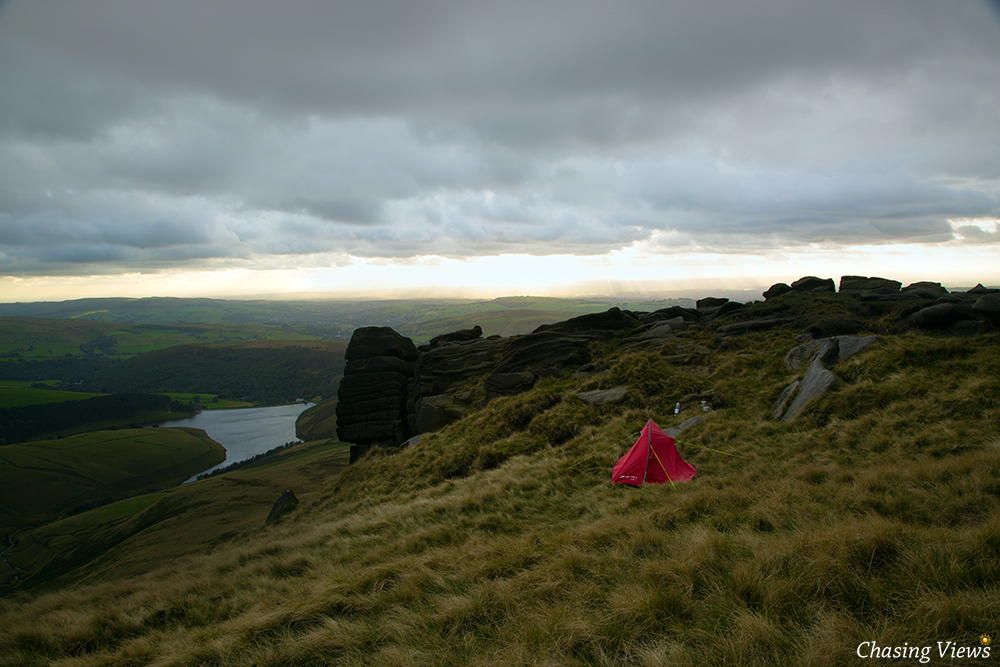
Legal Status to Wild Camping in the Peak District.
A Complete Guide:
Wild camping has become increasingly popular across the UK, especially among outdoor enthusiasts looking to escape busy campsites. One of the most frequently asked questions is, is it legal to wild camp in the Peak District National Park? The answer isn’t as straightforward as many people hope. Understanding the rules is essential if you want to wild camp responsibly in the Peak District and avoid fines.
In this complete guide, I’ll explore the legal status of wild camping in the Peak District.
What Is Wild Camping?
Wild camping refers to pitching a tent outside of designated campsites, usually in remote or rural areas. Unlike traditional camping, it involves a strong emphasis on self-sufficiency and environmental responsibility.
In places like Scotland, wild camping is widely permitted under specific laws. However, England follows a different legal framework, which directly affects the Peak District National Park.
Is Wild Camping Legal in the Peak District?
In short: No, wild camping is not generally legal in the Peak District National Park without landowner permission.
Most land in England, including the Peak District, is privately owned. This means that camping without permission technically counts as trespassing. While trespassing is usually a civil matter rather than a criminal offence, landowners and authorities can ask you to move on.
That said, there are exceptions and grey areas that hikers often take advantage of, but these require care and respect.
Are There Any Exceptions?
Yes, there is one key area where wild camping is “sometimes” tolerated:
Kinder Scout Area
Parts of the Kinder Scout plateau, particularly on land owned by the National Trust, have historically been more relaxed about low-impact wild camping. However, this does not mean it is officially legal, and policies can change.
Authorities may tolerate discreet camping if you:
- Arrive late and leave early
- Camp in small groups
- Avoid lighting fires
- Leave no trace behind
Even in these areas, you are camping at your own risk and could still be asked to move.
Why Is Wild Camping Restricted?
There are several reasons why wild camping is not freely allowed in the Peak District:
-
1. Environmental Protection
The park is home to fragile ecosystems, including peat bogs and rare wildlife habitats.
2. Land Ownership Rights
Much of the land is privately owned, and landowners have legal rights to control its use.
3. Overcrowding Concerns
The Peak District is one of the most visited national parks in the UK. Unregulated camping could lead to littering, damage, and safety issues.
Responsible Wild Camping: Leave No Trace
If you decide to wild camp despite restrictions, it’s crucial to follow the “Leave No Trace” principles. These guidelines help protect the environment and maintain good relationships with landowners.
Key Principles:
- Camp late, leave early
- Take all litter home
- Avoid open fires
- Use a camping stove instead
- Respect wildlife and livestock
- Use toilet practices responsibly
Avoid setting up during peak hours.
Even biodegradable waste can harm wildlife.
Fires can cause lasting damage, especially on peatland.
It’s safer and more environmentally friendly.
Keep noise to a minimum and don’t disturb animals.
Dig a small hole away from water sources and cover it properly.
Final Thoughts
So, is it legal to wild camp in the Peak District National Park?
Not officially. However, in remote areas and when done responsibly, it is sometimes tolerated.
If you decide to go ahead, the key is to be respectful to the land, wildlife, and people who manage it. Better yet, consider legal alternatives that offer the same sense of adventure without the risk.
By following best practices and respecting the environment, you can enjoy everything the Peak District has to offer while helping preserve it for future generations.